

Your first Canadian winter can feel exciting, beautiful, and a little overwhelming. This guide explains what to expect from Canadian winter weather, how to read forecasts and warnings, what to wear, how to stay safe at home and outside, and how newcomers, students, and workers can prepare with confidence for winter survival in Canada.
What to Expect From Your First Canadian Winter
Your first Canadian winter may be very different from anything you have experienced before. In many parts of Canada, winter is not just cold. It can bring snowstorms, freezing rain, icy sidewalks, short daylight hours, and sudden temperature drops. For newcomers, understanding this season is an important part of settling into daily life in Canada.
The good news is that millions of people across Canada manage winter safely every year. With the right clothing, planning, and local knowledge, you can do the same. Whether you are arriving as a worker, student, or permanent resident, learning about winter is part of adjusting to life here. If you are still planning your move, you can explore your Canadian immigration options before preparing for seasonal life in your new province or city.
Why winter feels different across Canada
Canada is a large country, so winter conditions vary by region. Vancouver and coastal British Columbia often have milder winters with more rain than snow. Toronto, Ottawa, Winnipeg, Calgary, Edmonton, Montréal, and many Atlantic communities usually see colder temperatures, snow accumulation, and icy conditions. In the Prairies and northern regions, temperatures can fall far below -20°C, especially with wind chill.
This is why checking the Canadian winter forecast for your city matters. A general forecast gives you a basic idea of temperatures and snowfall, but local conditions can change quickly. A Canada winter weather forecast for Halifax will look very different from one for Saskatoon or Yellowknife.
What newcomers should know before winter starts
If you are moving to Canada in autumn or early winter, prepare before the cold arrives. Buy proper boots and a winter coat early, learn your local transit options, and ask neighbours or co-workers what winter is usually like in your area. Newcomers often underestimate how important small items can be, such as gloves, hats, thick socks, and lip balm.
For international students, winter preparation should also be part of your arrival planning. If you are studying in Canada, it helps to review support options for student accommodation in Canada so you can choose housing that is safe, heated, and close to school or transit during winter months.
How to Read Forecasts, Warnings, and Winter Conditions
One of the best first Canadian winter tips is simple: check the weather every day. In Canada, weather can affect your commute, work schedule, school attendance, and safety. Do not rely only on how the sky looks outside your window.
Understanding the Canadian winter forecast
A Canadian winter forecast usually includes temperature, wind chill, snowfall amount, freezing rain risk, and visibility. Wind chill is especially important. For example, the air temperature may be -10°C, but with wind chill it can feel like -18°C or colder. That affects how long you can safely stay outside.
When reading a Canada winter weather forecast, look for these details:
- Expected high and low temperatures
- Chance of snow, freezing rain, or ice pellets
- Wind speed and wind chill
- Road and visibility conditions
- Storm timing, especially for morning or evening travel
Environment and Climate Change Canada is a key official source for weather information. Local news, weather apps, and municipal alerts are also helpful.
What Canada weather warnings mean
Canada weather warnings are official alerts about dangerous conditions. These may include winter storm warnings, snowfall warnings, extreme cold warnings, freezing rain warnings, and blizzard warnings. If a warning is issued, take it seriously. Schools may close, transit may be delayed, and roads may become unsafe.
Basic safety steps during a warning
- Delay non-essential travel if conditions are severe
- Charge your phone and keep emergency contacts ready
- Dress in layers if you must go outside
- Carry extra gloves or socks if commuting
- Follow local transit and municipal updates
If you are newly arrived and still managing your status or documents, winter delays can affect appointments and travel plans. It is wise to stay organized and leave extra time, especially if you are dealing with a Canada work permit, school registration, or settlement appointments.
What to Wear and Buy for Winter Survival Canada
When people think about winter survival Canada, they often focus only on a jacket. In reality, staying warm is about layers and proper gear from head to toe. You do not always need the most expensive items, but you do need clothing designed for real winter conditions.
The basic winter clothing checklist
Start with these essentials:
- A warm insulated winter coat
- Waterproof winter boots with good grip
- A hat or toque that covers your ears
- Gloves or mittens
- A scarf or neck warmer
- Thermal base layers
- Warm socks, ideally wool or thermal blends
Layering is the key. Wear a base layer to keep heat close to your body, a middle layer like fleece or wool for insulation, and an outer layer that blocks wind and moisture. This helps whether you are walking to class, waiting for a bus, or going to work early in the morning.
Buying winter gear on a budget
Newcomers often worry about cost, especially in their first months. You can find good winter gear at department stores, outlet shops, and second-hand stores. Many people also shop for Canadian Tire winter tires, snow brushes, salt, and emergency car supplies at well-known retailers, especially if they plan to drive.
If you are settling as a student or recent graduate, budgeting for winter is just as important as budgeting for books or rent. Those planning a longer future here may also want to learn about pathways from study to permanent residence while building practical life skills for Canada.
Winter driving and tires
If you will drive, prepare your car before heavy snow arrives. Winter tires improve grip in cold temperatures, snow, and ice. In some provinces, they are strongly recommended, and in certain areas they may be required during specific months. Many newcomers search for Canadian Tire winter tires because it is a familiar starting point, but what matters most is choosing approved winter tires that fit your vehicle.
You should also keep these items in your car:
- Ice scraper and snow brush
- Small shovel
- Blanket and extra gloves
- Phone charger
- Sand or traction aid
- Emergency flashlight
Daily Winter Safety Tips for Newcomers, Students, and Workers
Your first winter is easier when you build small daily habits. These habits reduce stress and help you feel more confident, even during snowstorms or cold snaps.
At home
Keep your home warm and check for drafts near windows and doors. If you rent, learn how your heating system works and who to contact if there is a problem. Stock basic groceries before major storms, and keep a flashlight, batteries, and a charged phone available in case of a power outage.
International students and workers should also make sure they understand health coverage and local support services. Reviewing student health insurance in Canada or provincial health access can help you avoid extra stress if you become sick during winter.
Outside and on transit
Walk slowly on icy sidewalks, wear boots with grip, and leave earlier than usual. Buses and trains may be delayed in bad weather. If you work outdoors or travel long distances, pack an extra layer and check for Canada weather warnings before leaving.
For newcomers working in Canada, winter readiness is part of workplace success. If you are still planning your move, you can determine your eligibility and prepare not just for immigration paperwork, but also for real daily life after arrival.
Protecting your health and well-being
Cold weather can also affect your mood, sleep, and energy. Shorter days may feel difficult at first. Try to get daylight when possible, stay active, and connect with friends or community groups. Winter in Canada is not only about survival. It can also be enjoyable once you feel prepared.
If you are moving through the Express Entry system, coming on a study permit, or arriving on a work permit, settlement planning matters just as much as documents. Many families also choose to assess your immigration options with professional support so they can prepare for housing, schooling, work, and weather in a realistic way.
Every winter season is different, and forecasts can change quickly. Always follow official guidance, especially during extreme cold or storms. Immigration rules and settlement needs can also vary by programme and province, so it is smart to use trusted sources such as IRCC and qualified professional guidance when planning your move. If you want help with the broader immigration to Canada process, EverNorth can help you take the next step with confidence.
How to Prepare Your Home, Routine, and Documents for Winter
Good winter preparation is not only about clothing. It is also about making your daily life easier. During your first Canadian winter, small steps at home and in your routine can make a big difference.
Set up your home for comfort and safety
If you are renting, check that heating works well before the coldest months arrive. Ask your landlord how to report heating problems, and find out whether snow removal is included. Keep a few essentials at home, such as bottled water, easy meals, medicine, a flashlight, and extra phone chargers. During storms, shops may close early and delivery services may be delayed.
If you are a newcomer still planning where to live, it helps to review your student accommodation in Canada or rental options carefully. Look for housing close to transit, work, or school so you do not have to travel too far in difficult weather.
Build a winter routine that works
One of the best first Canadian winter tips is to leave early. Snow, ice, and transit delays are common in many cities. Give yourself extra time for work, classes, appointments, and immigration-related meetings. Check the Canadian winter forecast the night before and again in the morning.
Try to keep these habits:
- Charge your phone every night
- Keep gloves and a hat in your bag
- Watch for icy steps and sidewalks
- Follow local transit alerts
- Plan indoor activities on extreme cold days
If you are just arriving, settlement planning matters as much as visa planning. Many people start by using a free immigration assessment to understand their options, then prepare for practical life in Canada, including winter travel, housing, and local services.
Keep immigration and travel documents organized
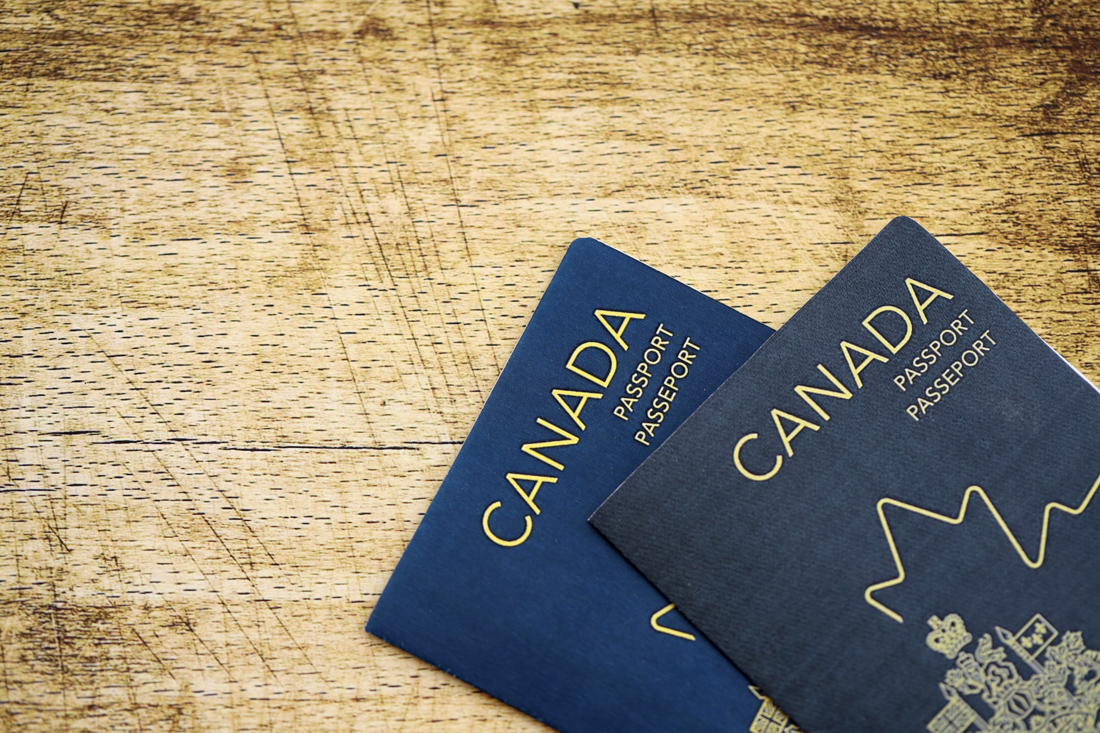
Winter weather can affect flights, road travel, and in-person appointments. Keep digital and paper copies of important documents, including your passport, permit, school letter, and insurance details. If you are entering Canada as a student, worker, or permanent resident, follow current IRCC instructions and leave extra time for travel during storm season.
Those still planning to come to Canada should take time to explore your Canadian immigration options early. This gives you more flexibility to choose the right arrival season, province, and settlement plan.
Winter Life for Students, Workers, and New Permanent Residents
Winter affects people differently depending on where they live and why they came to Canada. A student in Toronto, a worker in Alberta, and a new permanent resident in Atlantic Canada may all face different conditions. Still, the basics of winter survival Canada are the same: prepare early, stay informed, and ask for help when needed.
International students
Students often spend time walking between home, campus, and transit stops. Waterproof boots, a warm coat, and layered clothing are essential. Campuses may stay open during snow, so do not assume classes are cancelled unless your school confirms it. If you plan to work while studying, winter may also affect your commute and schedule.
It can help to learn more about working while studying in Canada so you can balance school, work, and winter travel safely. Students should also understand local health coverage, because colds, flu, and seasonal stress are common during winter months.
Foreign workers
Workers may need to travel early in the morning, work outdoors, or adjust to changing road conditions. If your job involves driving, ask your employer about winter safety expectations. If you use public transit, always have a backup plan for delays. Keep an extra pair of socks or gloves at work, especially if you spend time outside.
If you are still arranging your move, review your Canada work permit pathway carefully and make sure your travel timing, job location, and housing plans match seasonal realities. A job offer in a colder province may require more winter preparation than you expect.
Permanent residents and families
Families with children should prepare for school closures, snow days, and winter clothing costs. If you are arriving as a permanent resident, your first months may include setting up housing, banking, healthcare, and transportation at the same time. Winter can feel busy, but good planning helps.
Some newcomers arrive through the Express Entry system, while others come through provincial programmes or family sponsorship. No matter which pathway you use, settlement success includes understanding climate, local services, and seasonal safety.
Enjoying Winter While Staying Safe
Your first winter in Canada does not have to be something you only endure. Once you understand the weather and prepare properly, winter can become one of the most memorable parts of life here. Snow-covered parks, holiday lights, skating rinks, and winter festivals are part of the experience in many communities.
Learn to enjoy the season gradually
You do not need to love extreme cold to enjoy winter. Start with simple activities such as short walks on clear days, visiting a local winter market, or trying skating at a community rink. Many newcomers feel more confident once they stop avoiding winter and start learning how to manage it.
Check the Canada winter weather forecast before making plans, especially if you are travelling between cities or provinces. Conditions can change quickly, and what feels safe in one area may be risky in another.
Know when to stay inside
There are times when the safest choice is to remain indoors. During blizzards, freezing rain, or extreme cold warnings, avoid unnecessary travel. This is especially important if you are not yet comfortable driving in snow or walking on icy streets. Official Canada weather warnings are there to help you make smart decisions.
Signs that conditions may be too dangerous
- Very low visibility from blowing snow
- Freezing rain creating ice on roads and sidewalks
- Extreme cold warnings with dangerous wind chill
- Transit cancellations or road closure notices
If you do need to go out, tell someone where you are going, dress in full layers, and keep your phone charged. These simple habits support safe winter survival Canada in both large cities and smaller communities.
Plan your long-term future with confidence
For many newcomers, adapting to winter is part of building a successful life in Canada. Along with learning the weather, it is wise to understand your long-term immigration goals. Students may later apply for work permits or permanent residence. Workers may explore provincial nominee programmes or federal pathways. Families may need guidance on status, renewals, or future applications.
If you are still deciding on the best route, you can assess your immigration options with experienced support. EverNorth helps newcomers understand Canadian immigration pathways, settlement planning, and practical next steps based on current IRCC rules and programme requirements.
Final Thoughts on Surviving Your First Canadian Winter
Your first Canadian winter may feel challenging at the beginning, but preparation makes all the difference. Check the Canadian winter forecast often, pay attention to Canada weather warnings, wear proper layers, and make safe choices at home, on transit, and on the road. If you drive, prepare your vehicle early and look into reliable winter gear, including Canadian Tire winter tires or other approved options that suit your area.
Most importantly, give yourself time to adjust. Winter is a real part of Canadian life, but so is community support, planning, and resilience. Whether you are arriving to study, work, or settle permanently, a strong start includes both immigration planning and everyday readiness. If you want guidance on the broader immigration to Canada process, EverNorth can help you move forward with clear, professional support based on your goals and current Canadian immigration programmes.


