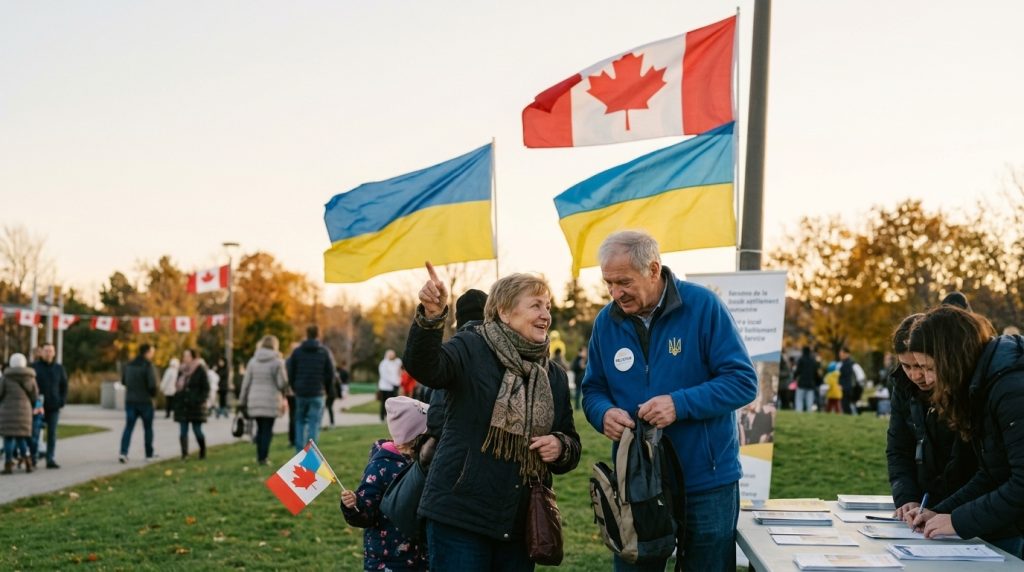
Alberta has invited 374 workers to seek a provincial nomination through three recent AAIP draws. Most invitations went to candidates in the Alberta Opportunity Stream, while smaller rounds targeted tourism and hospitality and rural communities. The latest figures also show strong demand across Alberta’s worker pools and that the province is close to using its full 2026 nomination allocation.
Alberta issues 374 new invitations through AAIP
Alberta has held three new selection rounds under the Alberta Advantage Immigration Program (AAIP), sending out a total of 374 invitations to workers between November 6 and November 13. These invitations allow selected candidates to apply for a provincial nomination, which can later support an application for Canadian permanent residence.
For many applicants, Alberta remains one of the most watched destinations in the Provincial Nominee Program system. The province continues to use targeted draws to respond to labour shortages, support employers, and attract newcomers who can settle successfully in Alberta’s cities, towns, and rural communities.
The largest round in this recent group took place on November 13 under the Alberta Opportunity Stream. That stream alone accounted for 241 invitations, or about 64% of all invitations issued across the three draws. This shows that workers already established in Alberta with qualifying employment continue to be a major focus for the province.
For people looking to explore Canadian immigration options, these draws are another reminder that provincial programmes can create valuable pathways outside the federal system alone. In many cases, a provincial nomination can strengthen a candidate’s long-term immigration plan, whether they apply through a base stream or through an enhanced stream connected to Express Entry.
Recent Alberta draw results
| Date | AAIP stream or pathway | Invitations issued | Minimum score |
|---|---|---|---|
| November 13 | Alberta Opportunity Stream | 241 | 55 |
| November 9 | Tourism and Hospitality Stream | 20 | 72 |
| November 6 | Rural Renewal Stream | 113 | 51 |
The tourism and hospitality round was especially small. According to the provincial figures, it was the lowest invitation count for that type of draw in 2026. By contrast, the Rural Renewal Stream draw reflected Alberta’s continuing effort to direct immigration toward designated smaller communities that need workers and long-term population growth.
What these invitations mean for workers in Alberta
An invitation from Alberta is not the final approval for permanent residence. It is an opportunity to submit a full nomination application to the province. If Alberta approves the application, the candidate may then move forward in the immigration process with the federal government, usually through Immigration, Refugees and Citizenship Canada (IRCC).
This matters because a provincial nomination can be a major step toward becoming a permanent resident. Some nominees apply through enhanced pathways linked to Express Entry immigration programmes, while others use base streams that are processed outside Express Entry. Either way, the nomination itself is a strong sign that the province wants the applicant to remain and contribute to its economy.
Work permit support for nominees
The article also highlights an important practical benefit for some people already in Canada: access to a Bridging Open Work Permit. Once eligible applicants submit their permanent residence file, they may be able to keep working while waiting for a final decision.
A temporary federal policy introduced on June 9, 2026 made this easier for many provincial nominee applicants. Under that measure, some workers no longer need to wait for an Acknowledgement of Receipt before moving ahead with a bridging work permit request. For candidates whose current status may expire soon, this can reduce uncertainty and help them stay employed legally in Canada.
That is especially relevant for temporary foreign workers who are building their future in Alberta. Anyone considering this route should review the rules carefully, because eligibility can depend on the stream, the stage of the application, and the type of nomination involved. If you are unsure, it can help to determine your eligibility through a free immigration assessment before taking the next step.
Demand remains high across Alberta’s worker pools
Alberta also released updated numbers showing how many workers had active expressions of interest in its system as of November 18, compared with the number of invitations issued so far in 2026. These figures give a clearer picture of competition across different pathways.
| Stream or pathway | Active worker profiles | Invitations issued in 2026 |
|---|---|---|
| Alberta Opportunity Stream | 20,300 | 8,792 |
| Rural Renewal Stream | 1,008 | 1,497 |
| Tourism and Hospitality Stream | 1,163 | 272 |
| Dedicated Health Care Pathways | 2,718 | 1,031 |
| Accelerated Tech Pathway | 1,854 | 1,466 |
| Total | 31,700 | At least 14,958 |
These numbers show two important things. First, Alberta remains in very high demand, especially under the Alberta Opportunity Stream. Second, some targeted pathways are being used very actively relative to the size of their pools, particularly those tied to rural communities, health care, and technology.
For applicants, this means preparation matters. A strong file may include valid language results such as IELTS or CELPIP for English, or TEF or TCF for French, along with work experience evidence, education records, and where required, an Educational Credential Assessment. Candidates connected to Express Entry should also understand how their federal profile works, including the Comprehensive Ranking System and ways to improve a CRS score.
Even when a provincial stream is not directly based on CRS points, a well-prepared immigration strategy can make a major difference. Some applicants may qualify under Alberta, while others may be better suited to federal options like the Canadian Experience Class or another province’s nomination stream.
Alberta is nearing its 2026 nomination limit
By November 18, Alberta had issued 6,440 nominations out of a 2026 allocation of 6,603. In practical terms, that means the province had already used about 97.5% of its available nomination spaces for the year. This is a key detail because nomination capacity is different from the number of invitations a province may send out.
Invitations and nominations are not the same
An invitation allows a person to apply. A nomination is granted only after the province reviews the application and approves it. Because of this, provinces often issue more invitations than the number of nominations they can ultimately finalize. Some invited candidates may not apply, may be refused, or may no longer meet the requirements by the time their file is reviewed.
Alberta began 2026 with 6,403 nomination spaces and later received 200 additional spots from the federal government in early August. The province has also reported supplementary nominations for 50 practice-ready physicians and 12 francophone candidates outside its regular allocation.
What applicants should watch next
As Alberta approaches the end of its annual quota, candidates should continue to monitor draw activity closely. Future rounds may become more selective, more targeted, or more dependent on specific labour market needs. This is common across Canadian immigration programmes, especially late in the year when provinces are managing limited nomination space.
There is also mention of possible added capacity linked to 2027 temporary resident to permanent resident transition measures for in-Canada workers. However, those spaces are optional, and each province or territory can decide how many to use before the federal deadline. That means applicants should not assume extra spots will automatically become available.
For workers and families planning their next move, it is wise to compare Alberta with other pathways as well, including Alberta provincial nominee pathways, federal economic streams, and regional options such as the Atlantic Immigration Program. If you already have a federal profile, you may also want to follow the latest Express Entry draw updates as part of a broader strategy.
Immigration rules, programme criteria, and permit policies can change quickly, so readers should always confirm current requirements with IRCC or seek guidance from a licensed immigration professional before making decisions. EverNorth Immigration is here to help with experienced, compassionate support at every stage of your journey toward a new life in Canada, and you can book your free immigration assessment to get a professional evaluation of your options.