

This article provides a detailed, easy-to-understand guide to Canada’s Express Entry system, including eligibility rules, CRS scoring, program requirements, documents, and expert tips to strengthen your application. It is designed to help skilled workers, international graduates, and professionals confidently prepare for a successful Express Entry immigration pathway.
Understanding Canada’s Express Entry System
Canada’s Express Entry system is one of the fastest and most popular immigration pathways for skilled workers who want to become permanent residents. It is operated by Immigration, Refugees and Citizenship Canada (IRCC), and it uses a points-based model called the Comprehensive Ranking System (CRS) to select candidates who can contribute to Canada’s economy. Because the process can be competitive, it is important to understand how the system works, which requirements apply to you, and what steps you can take to strengthen your application.
For many newcomers, beginning with a free immigration assessment is one of the easiest ways to determine eligibility and discover the best strategy before entering the pool. A professional review of your education, work experience, and language results can save time and reduce mistakes during the process.
What Is Express Entry?
Express Entry is an online application management system that handles permanent residence applications for three federal immigration programmes. These include the Federal Skilled Worker Programme (FSWP), Federal Skilled Trades Programme (FSTP), and the Canadian Experience Class (CEC). Some Provincial Nominee Programmes (PNPs) also use the Express Entry system to select candidates for provincial immigration streams.
Who Should Apply Through Express Entry?
Express Entry is ideal for skilled workers who have strong language scores, recognized education, and relevant professional experience. It is also a pathway many international students choose after gaining Canadian work experience through a work permit or the Post‑Graduation Work Permit (PGWP). If you want to take the first step, you can explore the full Express Entry immigration pathway and see which programme aligns best with your goals.
How Express Entry Selects Candidates
After creating an Express Entry profile, IRCC gives every candidate a CRS score. The CRS ranking is based on factors such as age, work experience, language proficiency, education, and adaptability. Candidates with the highest CRS scores are invited to apply for permanent residence through regular rounds of invitations.
To understand exactly how Express Entry gives you points, you can review the detailed overview of the CRS system and learn how each category influences your score.
The Three Federal Programmes Under Express Entry
Before creating an Express Entry profile, it is essential to know which of the three federal programmes you qualify for. Each one has different requirements related to work experience, education level, and type of employment.
Federal Skilled Worker Programme (FSWP)
The FSWP is designed for skilled workers with foreign work experience who want to become permanent residents. It uses a separate points grid to determine eligibility before candidates can enter the pool. This programme is a preferred choice for professionals living outside Canada who meet the minimum language and education standards.
You can learn more about eligibility and scoring for this stream in the dedicated guide to the Federal Skilled Worker Programme.
Canadian Experience Class (CEC)
The CEC is for workers who already have at least one year of skilled Canadian work experience. These applicants often hold PGWPs, open work permits, or employer‑specific work permits. Because Canadian work experience is highly valued by IRCC, CEC candidates often receive competitive CRS scores.
To see whether you meet the requirements, review the details of the Canadian Experience Class pathway.
Federal Skilled Trades Programme (FSTP)
The FSTP targets qualified tradespeople with experience in fields such as construction, industrial trades, electrical work, and mechanical trades. Candidates must have either a Canadian certificate of qualification or a valid job offer to apply.
If this pathway suits your background, explore the full requirements for the Federal Skilled Trades Programme.
How the CRS Score Works
The Comprehensive Ranking System (CRS) is one of the most important parts of Express Entry. Your CRS score determines your ranking in the pool and influences whether you will receive an Invitation to Apply (ITA). Even small improvements in your CRS score can dramatically increase your chances of being selected.
If you are unsure about your potential score, you can calculate it easily using the online CRS calculator, which helps you predict your points before submitting your profile.
Core Factors That Affect Your CRS Score
IRCC evaluates several key factors when calculating your CRS points. Understanding these categories allows you to identify where you can improve and which strategies will bring the greatest results.
Age
Younger applicants receive higher CRS points, especially those between 20 and 29. After age 30, points gradually decrease. While you cannot change your age, you can compensate by improving other areas such as language results or education.
Language Skills
English or French language proficiency has one of the biggest impacts on your score. IRCC accepts IELTS, CELPIP, TEF, and TCF results. Achieving a CLB 9 or above can significantly boost your CRS points, including additional skill transferability points.
Education
Your level of education, combined with an Educational Credential Assessment (ECA), affects your CRS score. Applicants with a master’s degree, professional degree, or PhD usually receive higher points. Completing an educational programme in Canada can also contribute to extra points.
Work Experience
Skilled work experience, particularly in Canada, increases your CRS score. IRCC uses the National Occupational Classification (NOC) system to determine whether your job is considered skilled (TEER 0, 1, 2, or 3). More years of experience often lead to a stronger profile.
Additional Points
IRCC may award extra points for several factors, including a provincial nomination, a valid job offer, French-language ability, and having siblings in Canada. The highest bonus—600 CRS points—comes from a Provincial Nominee Programme nomination.
Ways to Improve Your CRS Score
Many candidates enter the pool with a competitive yet insufficient CRS score. The good news is that there are several effective ways to increase your points. Language improvement, gaining more work experience, or pursuing Canadian education can lead to noticeable differences. To explore all strategies, review the full guide on how to improve your CRS score.
Entering the Express Entry Pool
Once you meet the eligibility criteria for one of the federal programmes, the next step is creating your Express Entry profile. This profile includes your personal details, language results, education credentials, and work history. Accuracy is essential, as IRCC may request documents to confirm every detail you provide.
Submitting an Express Entry Profile
Before submitting your profile, ensure that your language results and ECA report (if needed) are valid. The profile is valid for one year, and you may update it if your circumstances change. After submission, you receive a CRS score and enter the candidate pool.
Express Entry Draws
IRCC conducts regular Express Entry draws to invite the highest‑ranked candidates. Draws may focus on general categories, specific immigration streams, or targeted occupations. Monitoring draw trends can help you understand your chances and timing.
To stay current with the latest selection rounds, follow the monthly updates on Express Entry draws.
Receiving an Invitation to Apply (ITA)
If your CRS score meets or exceeds the cut‑off in a draw, IRCC will issue you an Invitation to Apply (ITA). This is a crucial milestone in the Express Entry process, as it allows you to submit a full permanent residence application.
You can find step‑by‑step guidance on what to do after receiving your invitation by reviewing the detailed section on the Invitation to Apply process.
Completing Your Permanent Residence Application (e‑APR)
Once you receive an Invitation to Apply, the next major step is submitting your electronic Application for Permanent Residence, commonly known as the e‑APR. This stage requires careful preparation, as IRCC expects complete, accurate, and well‑supported documentation. Missing information or incorrect details can cause delays or even lead to refusals, so it is important to approach this phase with patience and attention to detail.
Many applicants choose to work with a regulated immigration professional during the e‑APR stage, as even small errors can affect your chances. A professional can help you determine your eligibility once more, verify accuracy, and ensure that the documents meet IRCC standards before submission.
Documents Required for the e‑APR
IRCC requires several documents to verify the information in your Express Entry profile. These documents must match the details you initially provided, and any discrepancies must be explained through a Letter of Explanation. Here are the core document groups you will need:
Identity and Civil Status Documents
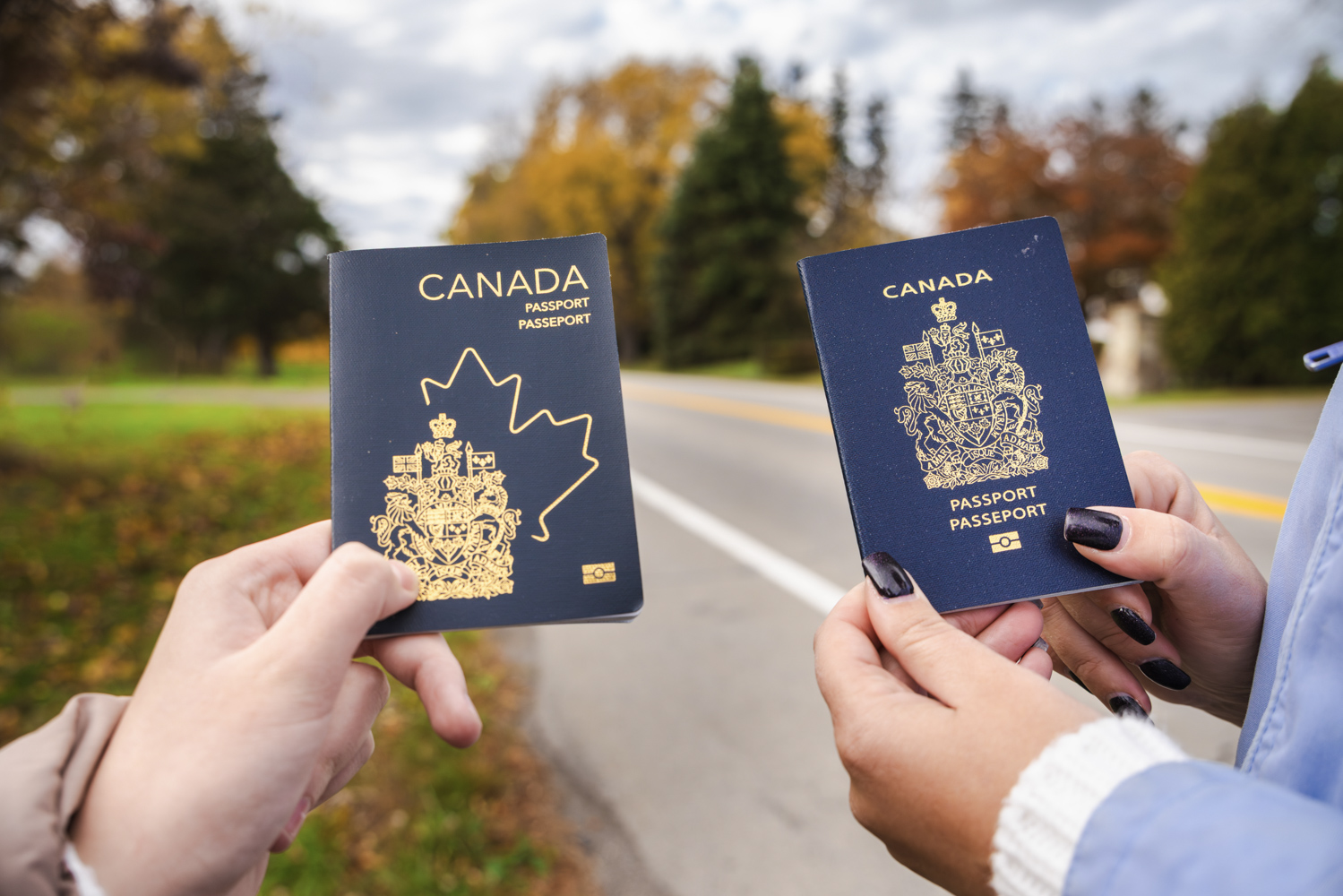
These include your passport, birth certificates, national identity cards, marriage certificates, divorce documents (if applicable), and adoption records for dependent children. Ensure all documents are clear, translated (if required), and free from damage or errors.
Language Test Results
Your IELTS, CELPIP, TEF, or TCF results must still be valid when you submit the e‑APR. If they expire before IRCC receives your application, your submission may not be accepted. Always check the validity period and plan accordingly.
Police Certificates
IRCC requires police certificates from every country where you have lived for six months or more since the age of 18. This step can take time in certain countries, so start the process early. The certificates must be recent and meet IRCC specifications.
Medical Examination Results
An approved panel physician must complete your medical exam. The results are uploaded directly to IRCC by the clinic. Medicals remain valid for 12 months, and you must avoid delays that could shorten this validity period during processing.
Proof of Funds
Unless you apply under the Canadian Experience Class or have a valid job offer, you must provide financial proof to show that you can support yourself and your family after arriving in Canada. IRCC requires official bank letters and statements that demonstrate consistent, available funds. Detailed requirements can be found in the guide to Express Entry proof of funds.
Work Experience Documentation
Employment reference letters are crucial. These letters must include:
- Your job title
- Your job duties (matching the NOC you selected)
- Your dates of employment
- Your working hours
- Your salary and benefits
- The employer’s official signature and contact details
Incorrect or incomplete work letters are one of the most common reasons Express Entry applications are delayed or refused. If you struggle to obtain official letters, you may submit alternative proof, but you must explain this in detail.
Education Documents
If you completed education outside Canada, your Educational Credential Assessment must be included along with degree certificates and transcripts. For Canadian education, the original diploma and transcripts are required.
Submitting the e‑APR
After uploading all required documents, you must pay your application fees, including the Right of Permanent Residence Fee (RPRF). Once submitted, IRCC begins processing. Most applications go through several stages, including background checks, eligibility review, medical assessment, and final decision.
To understand the complete e‑APR process from start to finish, explore the detailed breakdown of the Express Entry e‑APR application.
After Submission: What Happens Next?
Once your e‑APR is submitted, you enter the processing phase. IRCC will review your entire application to ensure that all documents are genuine and accurate. It is normal to feel anxious during this period, as processing times may vary depending on the programme and your personal situation.
Common Stages in Express Entry Processing
Although each application is unique, most files move through similar processing stages.
1. Completeness Check
IRCC first confirms that your application includes all required documents. If anything is missing or unclear, you may receive a request for additional information.
2. Medical Examination Review
Your medical results are assessed to ensure you are not medically inadmissible. Most applicants pass this stage without issue.
3. Biometrics Collection
If you have not previously given biometrics, IRCC will issue a Biometrics Instruction Letter. You must complete this step promptly to avoid delays.
4. Background and Security Checks
IRCC verifies your police certificates, employment history, and other security‑related details. This stage may take longer depending on the countries where you have lived.
5. Eligibility Review
IRCC examines your work experience, NOC duties, education, and language scores to ensure you meet the requirements of your selected programme. It is essential that your work letters clearly match the NOC you claimed.
6. Final Decision
When IRCC finishes all checks, you will receive a confirmation message that your application has been approved or refused. Successful applicants receive a Confirmation of Permanent Residence (COPR) and instructions for the final steps.
Receiving Your Confirmation of Permanent Residence (COPR)
If your application is approved, IRCC issues a Confirmation of Permanent Residence. You may need to mail your passport to a visa office if you require a physical visa. Once issued, the COPR allows you to complete your landing and officially become a Canadian permanent resident.
If you want to understand exactly what happens after approval, you can review the process for receiving your permanent residence confirmation.
Preparing for Life in Canada After Express Entry Approval
Receiving approval is an exciting milestone, but it is only the beginning of your journey to settling in Canada. Preparing for life in a new country can feel overwhelming, especially if you are moving with family. Having a solid plan can help you adjust more comfortably.
Understanding Your PR Card
After landing in Canada, you will receive your first Permanent Resident card by mail. This card allows you to re‑enter Canada after travelling abroad. It is important to keep it valid and understand the renewal process for future years. You can learn more about maintaining your status by reviewing the details of the Canadian PR card.
Finding Employment in Canada
Many newcomers begin job searching before arriving in Canada. Updating your résumé to Canadian standards, networking with professionals, and joining newcomer employment services can make a difference. Several provinces also have strong labour markets for skilled immigrants, especially Ontario, British Columbia, and Alberta.
Understanding Provincial Opportunities
Even though you immigrated through Express Entry, provincial opportunities may still play an important role in your long‑term settlement. Many new immigrants explore Provincial Nominee Programmes in regions where their skills are in demand. If you want to understand how these programmes work across the country, you can explore the Canadian Provincial Nominee Programmes.
Planning for Your First Months in Canada
Most newcomers spend their first months completing essential tasks such as:
- Finding accommodation
- Applying for a Social Insurance Number (SIN)
- Opening a Canadian bank account
- Obtaining health insurance or registering for provincial healthcare
- Exploring community newcomer centres
- Registering children in school
- Locating settlement services and employment advisors
Preparing in advance can help reduce stress and make your transition smoother.
Tips for a Strong Express Entry Application
Because the Express Entry process is competitive, candidates should take every opportunity to strengthen their profile. Improving your CRS score and submitting a strong e‑APR can significantly improve your chances of success.
Enhance Your Language Scores
Language results have a major impact on your CRS ranking. Achieving CLB 9 or higher in IELTS or CELPIP can dramatically increase your points. Many applicants improve their score by retaking the exam after additional preparation.
Pursue Additional Education or Certifications
Completing a new degree, diploma, or certification may increase your CRS score and improve your eligibility for certain provincial streams. If you have foreign credentials, always ensure they are recognised through a valid ECA.
Gain More Skilled Work Experience
Additional foreign or Canadian work experience can raise your CRS score. Canadian experience (TEER 0, 1, 2, or 3) is especially valuable under the CEC stream.
Consider Provincial Nominee Programmes
A provincial nomination adds 600 CRS points, almost guaranteeing an ITA. Many newcomers explore the different Provincial Nominee Programmes to increase their chances. Understanding each province’s criteria can help you decide which region aligns with your profession and goals.
Use a Professional Immigration Evaluation
Because Express Entry can be complex, many applicants choose to complete a professional immigration evaluation to ensure their profile is accurate and competitive. A regulated expert can assess your background, identify weaknesses, and suggest improvements that may help you achieve a higher ranking.
Supporting Your Immigration Journey
Immigrating to Canada through Express Entry is a life‑changing opportunity. The process can feel overwhelming, especially for newcomers unfamiliar with Canadian immigration laws. Whether you are applying from abroad or already in Canada, it is important to understand the requirements, stay informed, and prepare a strong application.
If you want help reviewing your eligibility, identifying the right immigration strategy, or improving your profile before entering the pool, you can take the next step and explore your Canadian immigration options or complete a free immigration assessment with our team.
Conclusion
Express Entry remains one of Canada’s most efficient and respected immigration pathways for skilled workers, international graduates, and professionals looking to build a future in Canada. Understanding how the CRS system works, preparing strong documentation, and improving your profile can significantly increase your chances of receiving an Invitation to Apply.
Whether you choose to apply independently or with professional guidance, taking the time to prepare thoroughly can make a meaningful difference in your success. If you are ready to begin your journey, you can assess your immigration options today and take your first step toward becoming a permanent resident of Canada.
Canada welcomes skilled newcomers who are ready to contribute to its diverse and growing economy. With careful planning and strong preparation, you can build a successful future in one of the world’s most welcoming and opportunity‑rich countries.


