

Planning a move to Canada? Our ultimate pre-departure checklist guides you through the essentials, from packing for Canada’s winter to preparing crucial immigration documents. Discover expert tips on travel insurance, shipping items, and navigating your first week in Canada. Ensure a smooth transition with our comprehensive guide, tailored for prospective immigrants eager to make Canada their new home.
Understanding Your Immigration Documents
Before embarking on your journey to Canada, ensuring your immigration documents are in order is crucial. The process of immigration to Canada can be complex, with various pathways and requirements depending on your situation. Whether you’re coming through Express Entry, a Provincial Nominee Programme (PNP), or another route, having your paperwork organized is the first step to a successful move.
Key Immigration Documents to Prepare
Your primary focus should be on gathering the necessary documents to present upon arrival. These typically include:
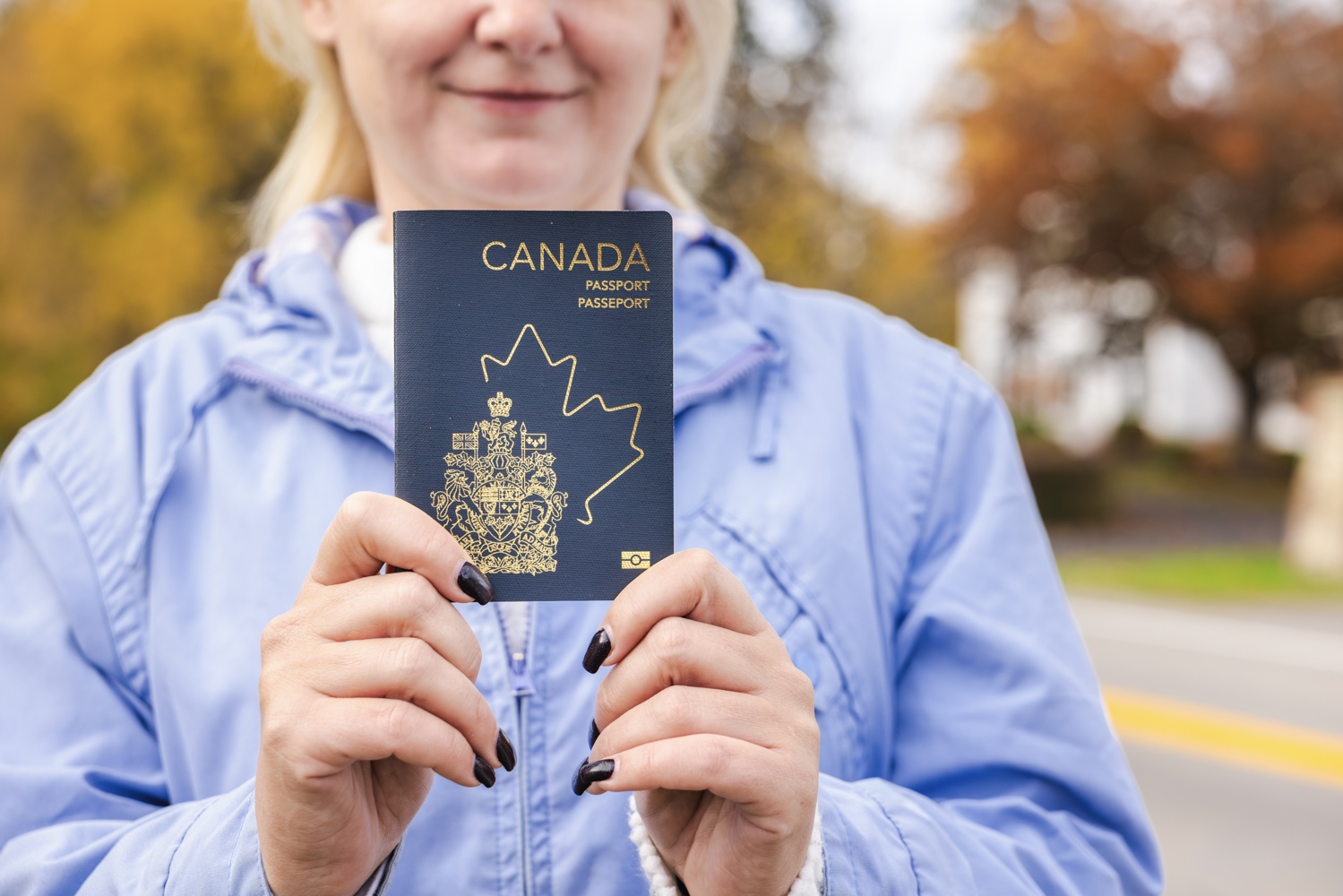
- Passport and Visa: Ensure your passport is valid for the duration of your stay and contains the appropriate visa or electronic travel authorization (eTA).
- Confirmation of Permanent Residence (COPR): This document confirms your status as a permanent resident.
- Proof of Funds: Demonstrating financial stability is essential. Check the specific financial requirements for your proof of funds.
- Letter of Introduction: For study or work permit holders, this letter is crucial upon entry.
- Medical Exam Results: If required, bring documentation of your Immigration Medical Examination.
For more detailed guidance on what documents you may need, consider a free immigration assessment to ensure you’re fully prepared.
Organizing Your Documents
Keep all your documents in a secure, accessible location. Consider using a waterproof folder to protect them from damage during travel. It’s also wise to have multiple copies, both physical and digital, to ensure you can easily provide information when needed.
What to Pack for Canada
Packing for Canada requires careful consideration, especially if you’re unfamiliar with the climate. From clothing to essential items, being well-prepared will make your transition smoother.
Packing for Winter
Canada is known for its cold winters, which can be a surprise for newcomers. Here’s what you need to include in your luggage:
- Winter Coat: A high-quality, insulated coat is non-negotiable for facing Canadian winters.
- Layered Clothing: Thermal wear, sweaters, and layers will help you adjust to varying indoor and outdoor temperatures.
- Winter Accessories: Hats, gloves, scarves, and thermal socks are essential to keep warm.
- Waterproof Boots: Snow and slush are common, so ensure your footwear is waterproof and has good traction.
For more tips on what to pack, check out our guide to bringing your family to Canada, which includes insights on adapting to Canadian weather.
Essential Items for Your First Week
Your first week in Canada will be a whirlwind of settling in, so having these essentials readily available will ease the process:
- Travel Adapter: Canada’s electrical outlets are different from many countries, so an adapter is crucial for your electronics.
- Basic Toiletries: While you can purchase these in Canada, having your preferred items can be comforting.
- Prescription Medications: Ensure you have enough supply and valid prescriptions to avoid any health issues during your initial days.
- Important Contacts: Keep a list of essential numbers, including your immigration consultant, local emergency contacts, and new Canadian acquaintances.
For specific advice on what to pack based on your immigration route, explore the study in Canada programmes to understand the local necessities better.
Navigating the Canadian Arrival
Landing in Canada is an exciting milestone, but it’s crucial to be prepared for the arrival process. From customs to transportation, knowing what to expect will streamline your entry.
Customs and Immigration at the Airport
Upon arrival, you’ll go through customs and immigration checks. Here’s how to make the process smooth:
- Have Your Documents Ready: Keep your passport, visa, and any immigration documents within easy reach.
- Declare Items: Be honest about the items you’re bringing into the country, including gifts and personal belongings.
- Follow Instructions: Listen carefully to the customs officers’ instructions and answer questions clearly and truthfully.
For more details on preparing for your arrival, our confirmation of permanent residence page offers insights into what to expect during this process.
Transportation from the Airport
After clearing customs, you’ll need to navigate transportation to your new home. Here are some options:
- Public Transit: Most major Canadian cities have efficient public transit systems connecting the airport to the city centre.
- Ride-Sharing Apps: Services like Uber and Lyft operate in many Canadian cities, offering a convenient travel option.
- Airport Shuttles: Some airports provide shuttle services to hotels or downtown areas.
Consider exploring public transit options in your destination city, such as the Toronto Transit Commission or Vancouver’s TransLink, to budget and plan your first journeys.
Preparing for Your First Week in Canada
The first week in Canada is crucial for setting up your life and getting accustomed to a new environment. From housing to essential services, here’s what you need to focus on:
Finding Accommodation
Securing a place to live should be your top priority. Depending on your situation, you might choose temporary or long-term housing. Here are some tips:
- Temporary Accommodation: Consider short-term rentals or Airbnb while searching for a permanent place.
- Apartment Hunting: Use websites like Kijiji or Craigslist to find rental listings in your budget range.
- Understanding Lease Agreements: Familiarize yourself with Canadian rental laws and tenant rights to prevent any misunderstandings.
For international students, our accommodation guide provides additional resources on finding suitable housing.
Setting Up Essential Services
Once settled, you’ll need to establish essential services such as a bank account, mobile phone, and internet connection. Here’s a quick guide:
- Bank Account: Opening a local account helps you manage finances and receive payments. Consider banks like RBC, TD, or Scotiabank.
- Mobile Phone: Choose a plan that suits your usage needs. Providers like Bell, Rogers, and Telus offer a range of options.
- Internet: Research local internet providers for competitive rates and reliable service.
If you’re unsure about navigating these setups, a professional immigration evaluation can provide personalized advice tailored to your needs.
Stay tuned for the continuation of this comprehensive guide, where we’ll delve deeper into the steps needed to successfully integrate into Canadian life, ensuring a smooth transition and a fulfilling start to your new journey in Canada.
Integration into Canadian Society
Transitioning to a new country involves more than just logistical arrangements; it’s also about immersing yourself in a new culture and society. Canada is known for its multiculturalism and openness, which makes it a welcoming place for newcomers. Understanding the cultural nuances and societal norms will help you adjust smoothly and build a sense of belonging in your new home.
Understanding Canadian Culture
Canada’s cultural landscape is rich and diverse, with influences from around the globe. Its multicultural ethos is reflected in every aspect of life, from cuisine to festivals. Here are some key aspects to consider:
- Politeness: Canadians are famously polite and value courtesy and respect in all interactions.
- Multicultural Celebrations: Participate in various cultural festivals, such as the Toronto Caribbean Carnival or Vancouver’s Chinese New Year celebrations, to experience Canada’s diversity.
- Language: While English is the predominant language, French is also widely spoken, particularly in Quebec. Consider learning basic French to enhance your integration.
For more insights on Canadian society and language requirements, you can explore Canadian immigration pathways that might align with your cultural and linguistic background.
Community Involvement
Getting involved in the community is a great way to make connections and feel at home. Consider these options:
- Volunteer Work: Volunteering is a valued activity in Canada and a great way to meet people and learn more about your community.
- Local Clubs and Organizations: Joining clubs related to your interests, such as sports or arts, can help you find like-minded individuals.
- Community Centres: Many neighbourhoods have community centres that offer programs and events to help you integrate.
For additional information on integrating into Canadian society, including opportunities for community engagement, you can explore Canadian immigration options based on your interests and background.
Employment and Career Opportunities
Canada’s robust economy and diverse job market offer numerous opportunities for skilled workers. Whether you’re looking for your first job in Canada or advancing your career, understanding the employment landscape is key.
Job Market Overview
Canada’s job market is dynamic, with opportunities in various sectors such as technology, healthcare, and finance. Here are some tips to navigate the job market:
- Research Industries: Identify which industries are booming in your province of interest. For example, Alberta is known for its oil and gas sector, while British Columbia is a hub for tech startups.
- Networking: Building a professional network is crucial. Attend industry events, join LinkedIn groups, and connect with professionals in your field.
- Resume and Cover Letter: Tailor your resume and cover letter to Canadian standards, highlighting your skills and experiences relevant to the job.
For more detailed advice on finding work in Canada, consider our professional immigration evaluation to assess how your skills can be matched with Canadian employment opportunities.
Credential Recognition
If your profession is regulated in Canada, you may need to have your credentials assessed and recognized. This process can vary depending on the profession and province:
- Credential Assessment Services: Organizations like World Education Services (WES) or International Credential Evaluation Service (ICES) can help you assess your qualifications.
- Professional Licensing: Some professions, such as engineering or healthcare, require you to obtain a license from the relevant provincial authority.
Check the specific requirements for your profession in Canada and consider pathways such as the Express Entry Programme to facilitate your employment in the country.
Healthcare and Education Systems
Canada boasts a public healthcare system and a high-quality education system, both of which are accessible to permanent residents and citizens. Understanding these systems will help you access the services you need and plan for your family’s future.
Accessing Healthcare
Canada’s healthcare system is publicly funded and provides essential medical services to residents. Here’s what you need to know:
- Health Card Registration: Register for a provincial health card as soon as you arrive to access healthcare services.
- Family Doctor: It’s advisable to find a family doctor to manage your healthcare needs and provide referrals to specialists if necessary.
- Supplementary Insurance: Consider private health insurance for services not covered by the public system, such as dental care or prescription medications.
For international students and new residents, our guide to student health insurance provides additional information on healthcare coverage options.
Education System
Canada’s education system is globally recognized for its quality and inclusivity. Here’s how to navigate it:
- School Enrollment: If you have children, enroll them in a local school by contacting your local school board or visiting the school directly.
- Post-Secondary Education: Canada offers numerous colleges and universities for higher education. Research institutions that offer programmes aligned with your career goals.
- Language Classes: If English or French is not your first language, consider enrolling in language classes to improve your proficiency.
For more details on educational opportunities in Canada, explore our university programmes to find one that suits your educational aspirations.
Conclusion
Moving to Canada is a significant and exciting step that requires thorough planning and preparation. By following this comprehensive pre-departure checklist, from understanding your immigration documents to integrating into Canadian society, you are setting yourself up for a successful transition.
Whether you’re exploring Canadian immigration pathways, determining your eligibility through a free immigration assessment, or seeking professional immigration assistance, EverNorth (Immigration to Canada) is here to support you every step of the way. With our expertise and knowledge of Canadian immigration programmes, we are committed to helping you make Canada your new home.
Start your journey today, and let us help you navigate the complexities of immigration with confidence and ease. Welcome to Canada, where your new life awaits with opportunities and adventures.


